How Low and High Water Pressure Issues Affect Your Plumbing
A strong shower and steady faucet flow often make homeowners assume everything is working properly. The truth is that water pressure can gradually drift too high or too low without drawing your immediate attention. Expert Plumbing Service explains how low and high water pressure issues affect homes in DuPage County, Will County, Kendall County, and Kane County, IL. Catching pressure-related problems early can protect you against costly repairs and extend the life of your entire plumbing system.
What’s Considered Normal Water Pressure?
Most homeowners don’t think about their water pressure until it starts to seem off at the sink, in the shower, or with an appliance. It’s important for water pressure to remain within a reasonable range so that plumbing fixtures can operate efficiently and protect the pipes from unnecessary stress. If the pressure is too low, everyday activities become frustrating, while if it’s too high, it can gradually damage the plumbing components behind the walls and beneath the floors.
Why Water Pressure Sometimes Drops
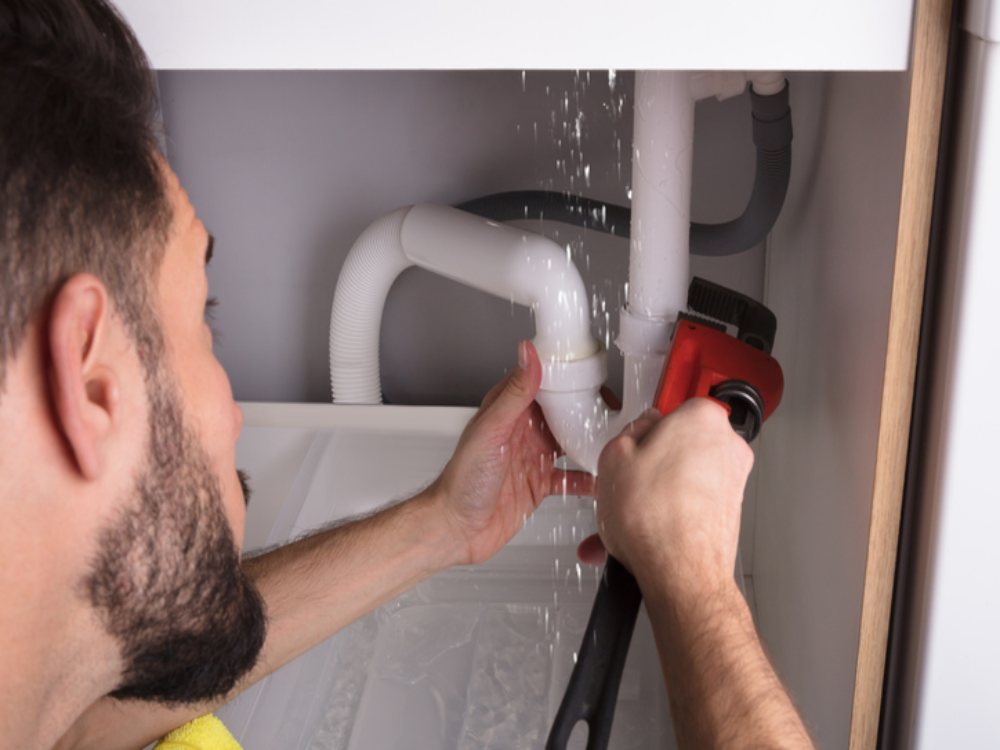
Even though low water pressure doesn’t necessarily mean there’s serious plumbing damage, it shouldn’t be overlooked. Mineral deposits, undetected leaks, old pipes, and valves that are only partly open can all cause a restriction in the flow of water. The important point is to find out whether the problem affects just one fixture or the whole house. A loss of pressure throughout the entire house usually indicates a more significant plumbing issue.
Why Excessive Water Pressure Creates Risks
Although strong water pressure may seem attractive in a shower, greater pressure isn’t necessarily better. The higher the force, the more strain it puts on the pipes, fittings, valves, appliances, and other devices that use water in the house. Over a period of time, the pipe stress caused by high water pressure can cause the joints to weaken and make leaks more likely. If this situation is not controlled, the high pressure may reduce the useful life of plumbing components.
Warning Signs Your Water Pressure Isn’t Right
Pressure problems usually develop slowly, making them noticeable before serious damage occurs. If homeowners pay attention to these signs, they can have the issues repaired before having to get more expensive repairs:
- Banging Pipes – Loud noises inside walls may occur when pressure fluctuations create sudden movement in plumbing lines.
- Leaking Fixtures – Excess pressure can wear out seals and connections more quickly than normal use.
- Dripping Faucets – Persistent drips sometimes occur because elevated pressure places added stress on fixture components.
- Short Appliance Lifespan – Dishwashers, washing machines, and water heaters may experience premature wear under excessive pressure.
How Pressure Affects the Life of Your Plumbing
Pressure has a significant effect on the long-term performance of plumbing systems. Low pressure may be a sign of blockages, corrosion, or leaks which get worse slowly over time. High pressure, on the other hand, causes another kind of problem by placing a constant strain on the pipes and the connections. If the issue is low water pressure or if there are repeated fluctuations, failure to deal with it can speed up wear throughout the whole system. Problems that are small in size eventually become much higher costs when the pressure stays outside the recommended range for months or years.
Schedule a Water Pressure Inspection Today
To properly diagnose problems relating to water pressure it’s necessary to do more than just look at how the fixtures are performing. Our team is able to check the water pressure, examine the pipes, detect any restrictions and find out if leaks or faults with the pressure regulator are causing the problem. In a number of houses it’s possible to get the system working correctly by adjusting or replacing the pressure regulator. Schedule your appointment now.
FAQs About Water Pressure Problems
What Causes Sudden Low Water Pressure in a Home?
A sudden drop in pressure may result from a hidden leak, a partially closed valve, municipal water supply work, or a blockage developing within the plumbing system. The cause often depends on whether the problem affects a single fixture or the entire home.
Can High Water Pressure Damage Pipes?
Yes. Excessive pressure can create ongoing stress on pipes, joints, valves, appliances, and fixtures. Over time, water pressure damage to pipes may include leaks, connection failures, and accelerated wear on plumbing components throughout the home.
How Do Plumbers Test Water Pressure?
Usually, plumbers fit a pressure gauge onto a hose bib or some other appropriate connection point in order to measure the present pressure. They can also examine the fixtures, look for any problems with the pressure regulator, and inspect your plumbing system for leaks or restrictions which cause inconsistent water flow and other plumbing pressure problems.
Most plumbing problems start quietly. A small leak behind a wall, a slow drain that keeps getting clogged, or a pipe showing early signs of wear can…
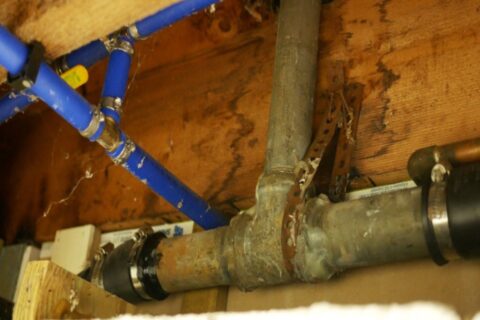
Older homes have character, but their plumbing may carry decades of wear. Small changes at a faucet or drain can point to a larger problem developing…
Request Your Expert Plumbing Service Today
