Watch for These Warning Signs of Old Home Plumbing Issues
Older homes have character, but their plumbing may carry decades of wear. Small changes at a faucet or drain can point to a larger problem developing out of sight. Learn why it’s important to catch the old home plumbing issues early from Expert Plumbing Service in DuPage County, Will County, Kendall County, and Kane County, IL. Recognizing trouble before a pipe breaks can limit water damage, prevent emergency repairs, and guide decisions about an aging plumbing system.
Why Older Homes Face More Plumbing Problems
Plumbing materials age at different rates, and it’s just as important to look at a house’s maintenance record as it is at the date it was built. Older houses might have galvanized steel, cast iron, copper, or a combination of these materials installed during previous renovations. Mineral buildup and corrosion can weaken connections or reduce the internal diameter of the pipes. Although these old plumbing problems do not guarantee immediate failure, they do mean that any unexpected changes in performance warrant investigation.
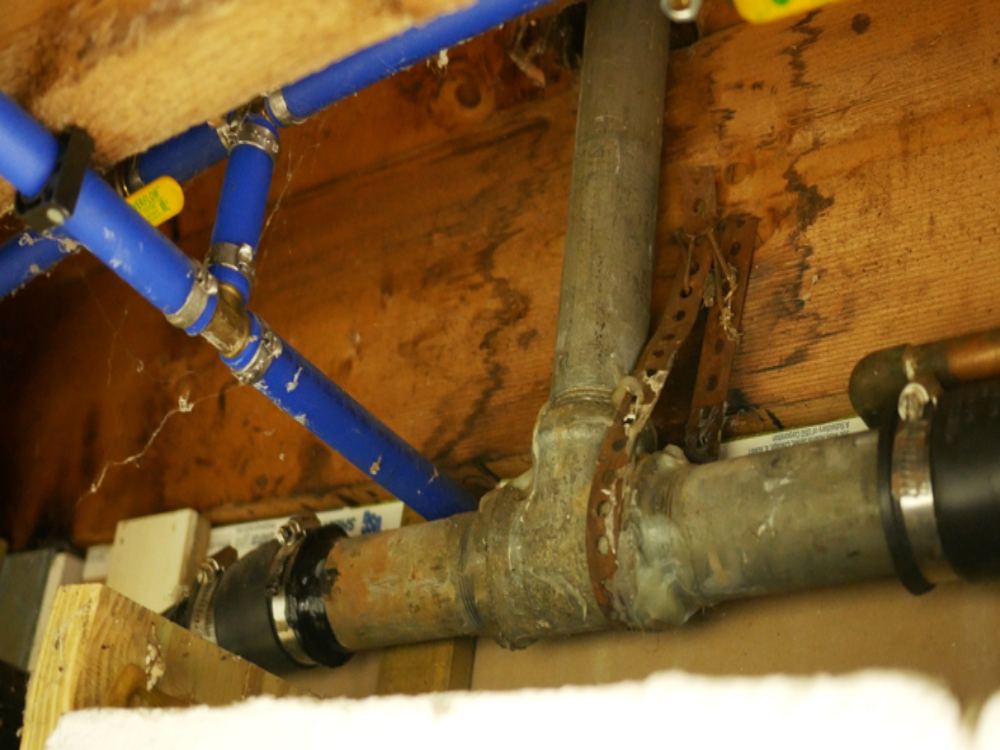
Frequent Leaks and Dripping Fixtures Deserve Attention
A single dripping faucet might just mean a worn seal, but if there are ongoing leaks in various parts of the house, it points to a more general problem. If one wet spot appears, you should immediately start looking for other signs of leaks and plumbing problems. Look out for the following signs of failing pipes in areas where the pipes are exposed, in the cabinets, in the ceilings and at the fixtures:
- Recurring Pinhole Leaks – Small openings can signal thinning pipe walls or corrosion spreading through the water supply system.
- Water Stains That Return – A stain that reappears after drying may point to a hidden leak rather than leftover moisture.
- Musty Smells Near Plumbing – Lingering odors can indicate water has reached materials you can’t easily see.
- Rising Water Bills – An unexplained increase may mean water is escaping from a fixture, supply line, or underground pipe.
What Discolored Water and Rust Stains May Mean
Brown, yellow, or reddish water may occur when sediment gets into the water or when the metal pipes corrode from the inside. Rust-colored stains around sinks and baths can be signs of corroded plumbing, particularly if the discoloration shows up after the water has been sitting in the pipes. Water heaters can also lead to temporary changes in color. So, it’s important to check whether the problem affects the hot water, the cold water, or both. If the water remains discolored or if particles are visible, it’s a good idea to have a professional carry out an inspection.
Low Water Pressure Throughout the House
A weak flow from a single faucet is usually due to a clogged aerator or an issue with the fixture itself. However, a drop in water pressure that affects multiple rooms is more worrying. Corrosion and mineral buildup can slowly narrow down older water supply lines, and a current leak can decrease the amount of water flowing. Check out several different fixtures and consider whether the change was gradual or sudden. Generalized loss of pressure is often a sign of pipe deterioration. In that case, a plumber should look at it before the issue gets worse or the damaged pipe begins to leak.
Schedule Your Appointment Today!
Our team can identify pipe materials, locate leaks, and explain whether a focused repair or broader repiping project makes sense. Expert Plumbing Service provides plumbing, drain cleaning, sewer, piping, and repiping services. With more than 30 years of experience, our team can assess the risk of home plumbing failure and offer options suited to your property and budget. Contact us today to schedule an appointment.
FAQs About Plumbing Problems in Older Homes
How Long Do Residential Plumbing Systems Typically Last?
There’s no single expiration date for an entire plumbing system. Many supply and drain pipes can remain in service for decades, but their useful life depends on the material, installation, water chemistry, usage, and maintenance.
What Are the Most Common Plumbing Problems in Older Homes?
Common concerns include leaking pipes, corroded supply lines, recurring drain clogs, weak water pressure, worn shutoff valves, and outdated fixtures. Older homes may also have generations of repairs that created mismatched materials or questionable connections.
Is Discolored Water Always a Sign of Pipe Damage?
There’s the possibility of temporary discoloration after utility work, following hydrant flushing, or due to sediment shifting in the water heater. The cause can be narrowed down by looking at when the discoloration occurred and where it’s found. In the case where only the hot water appears discolored, the water heater might be the source.

Most plumbing problems start quietly. A small leak behind a wall, a slow drain that keeps getting clogged, or a pipe showing early signs of wear can…
A strong shower and steady faucet flow often make homeowners assume everything is working properly. The truth is that water pressure can gradually…
Request Your Expert Plumbing Service Today
