What Happens During the Plumbing Inspection Process?
Most plumbing problems start quietly. A small leak behind a wall, a slow drain that keeps getting clogged, or a pipe showing early signs of wear can go unnoticed for months. Get prepared for the plumbing inspection process with Expert Plumbing in DuPage County, Will County, Kendall County, and Kane County, IL. Knowing what a plumber looks for during an inspection can help you feel more confident about maintaining your home’s plumbing system and avoiding unexpected repairs.
Why Plumbing Inspections Matter More Than Most Homeowners Realize
A normal check-up of the home’s plumbing not only reveals problems that are already present but also allows potential issues to be discovered before they turn into costly emergencies. The plumbing system suffers every day from the flow of water, fluctuations in temperature, and ordinary household use. By having regular inspections carried out, you can gain a better understanding of the general condition of the plumbing system. That is the only way to truly make well-informed decisions regarding repairs, maintenance, and any future improvements.
What a Plumber Typically Examines During an Inspection
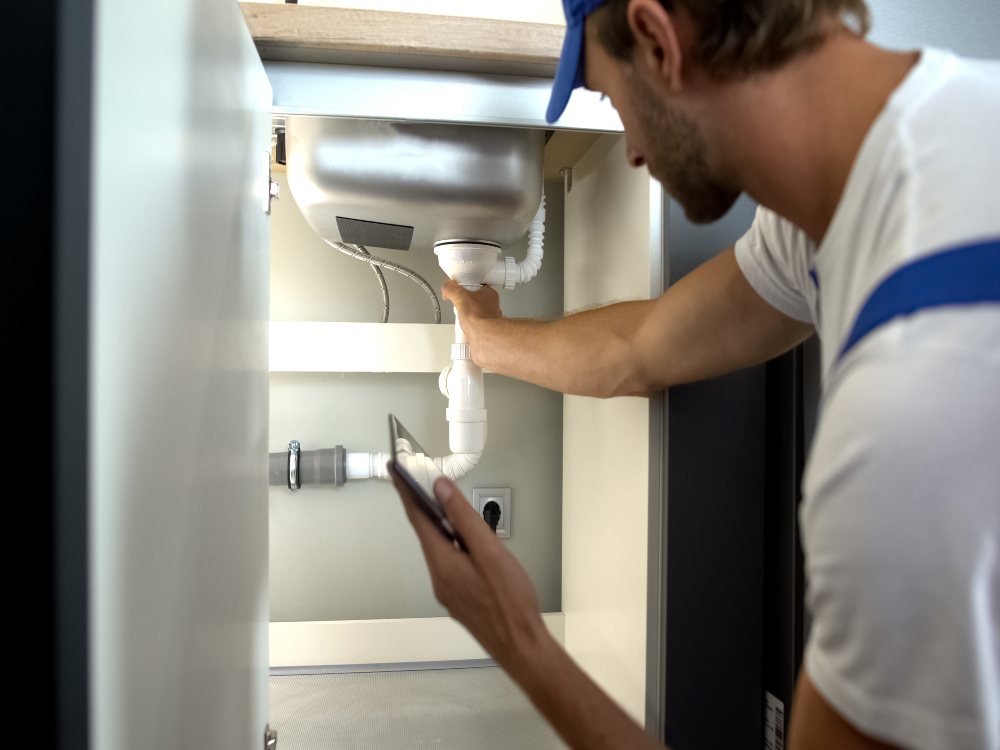
A thorough inspection involves much more than just looking for obvious leaks. Qualified professionals examine various parts of the plumbing system in order to get a better understanding of its performance, safety, and reliability. A standard plumber’s inspection checklist usually includes the following areas:
- Visible Water Supply Lines – Pipes are checked for corrosion, leaks, deterioration, and signs of previous repairs.
- Drainage Components – Sinks, tubs, showers, and drains are evaluated for proper flow and drainage performance.
- Water Heater Condition – The unit is inspected for leaks, wear, age-related concerns, and operational issues.
- Fixtures and Faucets – Toilets, faucets, and other fixtures are checked for leaks, damage, and efficient operation.
- Water Pressure Levels – Pressure readings help identify restrictions, leaks, or other performance concerns.
- Shutoff Valves – Critical valves are inspected to confirm they operate properly when needed.
Finding Problems Before They Become Emergencies
Certain plumbing problems stay hidden until considerable damage has taken place. Water can leak behind the walls, under the floor coverings, or underneath the foundations long before any obvious signs show up. A professional plumbing inspection is able to detect problems that homeowners would probably fail to notice. Early detection of these issues often stops extensive water damage, mold development, structural decay, and more expensive repairs in the future.
Small Issues Today Can Save Big Money Tomorrow
Preventive maintenance is generally much cheaper than carrying out emergency repairs. If a deteriorated pipe joint or a small leak is detected during a plumbing inspection, this can stop the need for extensive restoration work later on. Moreover, plumbing inspections contribute to improving the efficiency of the system by spotting any fixtures or components that might be losing water. It’s usually the case that tackling problems before they get worse leads to a reduction in both repair bills and utility bills.
When It Makes Sense to Schedule a Plumbing Inspection
Many homeowners wait until something goes wrong before calling a plumber. A better approach is scheduling inspections at key times, especially when a property is older or showing signs of wear. Consider arranging system inspection plumbing services under these circumstances:
- Before Purchasing a Home – An inspection can uncover issues that may not appear during a general home inspection.
- After Moving Into an Older Property – Aging plumbing systems deserve a closer evaluation to understand their condition.
- Before Major Remodeling Projects – Inspecting plumbing beforehand helps prevent unexpected setbacks during renovations.
- As Part of Routine Maintenance – Periodic evaluations can catch developing concerns before they become costly repairs.
Schedule an Inspection Today
When assessing a home’s plumbing system, experience is an important factor. A competent plumber knows how various pipe materials wear out, is able to identify the signs that indicate deterioration, and carries out careful plumbing inspection procedures. At Expert Plumbing Service, our team applies many decades of experience to each inspection. Assisting homeowners in understanding their choices and enabling them to make well-informed decisions according to the condition of their plumbing systems. Schedule a plumbing system inspection now.
FAQs About Plumbing Inspections
What Is Included in a Plumbing Inspection?
A plumbing inspection typically includes reviewing visible pipes, fixtures, drains, shutoff valves, water pressure, water heaters, and other accessible plumbing components. Depending on the situation, a plumber may also recommend additional testing or a camera pipe inspection to evaluate underground or hard-to-reach drain lines.
How Often Should a Plumbing System Be Inspected?
Many homeowners benefit from a professional inspection every one to two years. Older homes, properties with recurring plumbing issues, or homes with aging pipes may need more frequent evaluations. Regular inspections help identify developing concerns before they become major problems.
How Long Does a Plumbing Inspection Take?
The time taken will vary according to the size of the property and the state of the plumbing system. Generally, most home inspections can be finished in a few hours. Extra services, for example, a camera inspection of the pipes or more thorough testing, might take additional time depending on the extent of the assessment.
A strong shower and steady faucet flow often make homeowners assume everything is working properly. The truth is that water pressure can gradually…
Older homes have character, but their plumbing may carry decades of wear. Small changes at a faucet or drain can point to a larger problem developing…
Request Your Expert Plumbing Service Today
