The Dangers of Water Damage & How to Prevent It
Water is notorious for ending up where it doesn’t belong. A tiny leak under the sink might not seem urgent, but small issues can grow into expensive damage if ignored. Of course, flooding or sewer backups can cause devastating damage all at once. The good news is that a little water damage prevention stops most problems from spiraling out of control.
Common Causes of Water Damage
Water damage usually starts with everyday issues. Small leaks, worn parts, and hidden plumbing problems often go unnoticed until they cause visible damage. Here are some of the most common culprits to watch for:
- Leaky or burst pipes
- Faulty water heaters
- Clogged drains
- Sewer backups
- Broken sump pumps
- Washer, dishwasher, or refrigerator malfunctions
- Poorly sealed windows and doors
- Roof leaks
The Dangers of Water Damage
Water damage creates long-term problems that affect your home and health. Here’s what can happen if you don’t clean up the water quickly:
- Mold and mildew growth
- Weakened structure
- Electrical hazards
- Damage to floors and drywall
- Foundation cracks
- Pest infestations
- Reduced property value
Signs of Water Damage in Your Home
Water damage isn’t always obvious. If a hidden leak is the culprit, you might have to use some detective work to pinpoint the problem. Watch for these subtle warning signs:
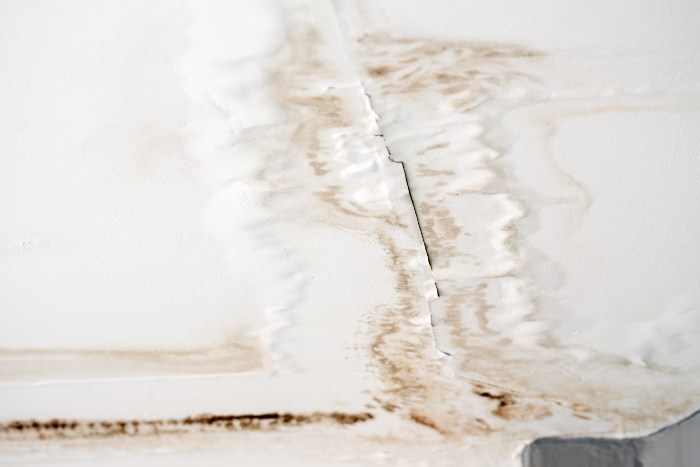
- Discolored walls or ceilings
- Peeling paint or wallpaper
- Damp or soft drywall
- Warped or buckling floors
- Dripping sounds behind walls
- Unexplained spikes in your water bill
- Visible mold spots
- Musty odors
How to Prevent Water Damage
Leaks and moisture intrusion can come from anywhere, inside or out. These water damage prevention tips protect your home from every angle:
- Inspect your plumbing regularly: Check exposed pipes, under sinks, and around appliances for leaks or corrosion. Fix any problems promptly.
- Maintain your water heater: An aging or neglected unit can become a major source of leaks. Test valves and inspect connections once a year.
- Tackle clogged drains: Slow drainage increases the risk of backups. Regular cleaning and mindful use keep things flowing smoothly.
- Install a sump pump: A properly sized sump pump protects your basement from flooding during heavy rain.
- Upgrade old plumbing fixtures: Aging fixtures and appliances fail more often, so replace them to improve reliability and reduce leak risks.
- Insulate vulnerable pipes: Frozen pipes can expand and crack. Insulation reduces the risk of bursting during sub-freezing temperatures.
- Know where your shut-off valve is: Responding quickly to a leak stops the flow of water and limits property damage.
- Monitor your water bill: An unexpected spike may indicate a hidden leak. Catching it early reduces the risk of damage spreading behind walls or under floors.
- Clean your gutters: Proper drainage directs rainwater away from your home, reducing soil saturation around the foundation and lowering the risk of basement flooding.
When to Call a Professional
Whether you’re hoping to prevent water damage or need help recovering from it, Expert Plumbing Service has covered. We serve Illinois residents with dependable plumbing and flood services. Our licensed, certified team responds quickly, with same-day and 24/7 emergency service available. We arrive with fully stocked trucks, ready to handle everything from active flooding to hidden leaks. If you’re dealing with water damage or flooding in DuPage, Will, Kendall, or Kane County, contact us today to get the situation under control.
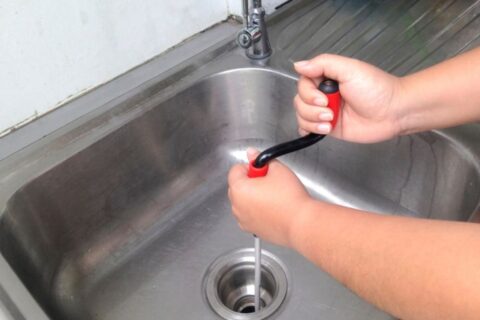
If your drains keep clogging no matter how many times you clear them, you’re not alone. Recurring drain clogs are among the most common plumbing…
Expert Plumbing Service regularly handles urgent situations where water, gas, or drainage problems can’t wait. Knowing what truly counts as a…
Request Your Expert Plumbing Service Today
