Why Your Drains Keep Smelling Bad (And How to Fix It)
That foul smell coming from your sink or shower drain is more than just unpleasant. It may be a sign that something needs attention. But the good news is that most smelly drain causes are easy to fix. And when they’re not, a professional from Expert Plumbing Service can sort things out quickly. Our team helps homeowners in DuPage, Kane, Kendall, and Will Counties. We’ve compiled this guide to highlight what you need to know about drain odors and how to get rid of them for good.
What Causes Drains to Smell Bad?
Foul drain smells don’t appear out of nowhere. Here are the most common culprits:
- Buildup of Organic Matter – Food scraps, grease, hair, and soap scum collect inside your pipes. As this material breaks down, it produces a rotten, musty smell.
- Dry P-Traps – The P-trap is the curved pipe beneath your sink. It holds a small amount of water that blocks sewer gases. When a drain isn’t used often, that water evaporates. A sewer-gas smell in your home is the result.
- Bacterial Growth – Warm, damp pipes are a breeding ground for bacteria. These bacteria feed on trapped organic matter and release foul-smelling gases.
- Clogged Drain Smell – A partial clog slows water flow, allowing debris to sit and decompose inside your pipes.
- Ventilation Issues – Your plumbing system uses vent pipes to release sewer gases outside. If a vent is blocked or damaged, those gases have nowhere to go but back into your home.
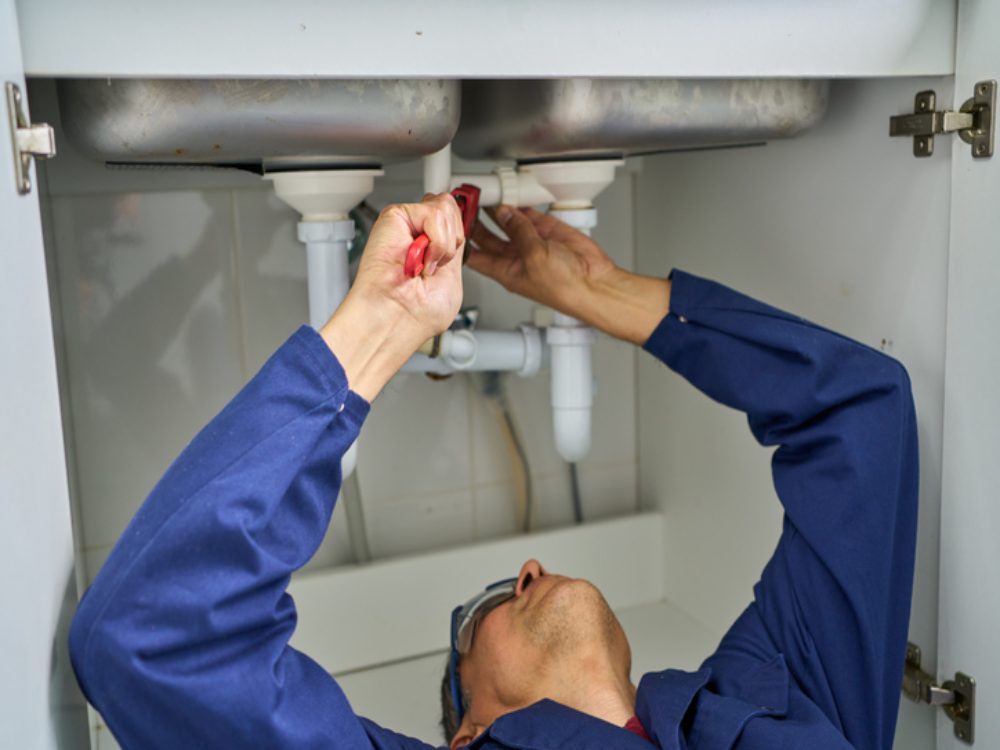
Kitchen vs. Bathroom Drain Odors
Not all drain odors have the same source, and knowing the difference helps you fix the right problem:
- Kitchen Sink Smells – These are usually caused by food waste, cooking grease, or a buildup of soap residue inside the drain. Over time, grease coats the inside of your pipes and traps food particles. The result is a kitchen sink smell that’s hard to ignore, especially after washing dishes.
- Bathroom Drain Odors – Bathroom odors may occur when hair, body oils, and soap scum clump together, creating a dense, sticky clog in the drain. Bathroom drains can also develop a sewer-gas smell if the P-trap dries out, especially in guest bathrooms or basement sinks that are rarely used.
DIY Tips to Eliminate Drain Odors
You can attempt the following drain cleaning solutions on your own before calling a plumber:
- Flush With Boiling Water – Pour a kettle of boiling water slowly down the drain. This helps melt grease and loosen buildup.
- Baking Soda and Vinegar – Pour half a cup of baking soda down the drain, followed by half a cup of white vinegar. Let it fizz for 15 minutes, then rinse with hot water.
- Refill a Dry P-Trap – Run water down any drain that hasn’t been used in a while. This refills the trap and blocks sewer gases from coming back up.
- Clean the Drain Stopper – Remove the stopper in your bathroom sink or shower and clean off any hair or soap scum that’s built up on it.
- Use a Drain Snake – A basic drain snake can pull out hair clogs and other debris that sit just below the surface.
These work well for mild odors. But if the smell keeps returning, you may have a deeper issue.
When Bad Drain Smells Signal a Bigger Plumbing Problem
Sometimes a foul drain smell is a warning sign. Watch out for these situations:
- Sewer Gas Smell Throughout Your Home – This could mean a cracked sewer line, a blocked vent pipe, or a broken P-trap. Sewer gas contains methane, which can be harmful in large amounts.
- Multiple Drains Smelling at Once – When several drains smell at once, it’s usually a sign of a main sewer line issue rather than a single clogged pipe.
- Gurgling Sounds With the Smell – Gurgling often indicates air is trapped somewhere in your drain system, which can point to a vent or sewer line blockage.
How Professional Drain Cleaning Solves Persistent Odors
Our licensed plumbers have the tools and training to handle pipe odor removal at the source. Professional drain cleaning typically involves hydro jetting, which uses high-pressure water to blast away grease, buildup, and blockages that DIY methods can’t reach. The Expert Plumbing Service team can also use a camera inspection to look inside your pipes and identify cracks, root intrusion, and sewer line damage.
Preventing Drain Odors With Routine Maintenance
A little routine care goes a long way toward keeping your drains fresh:
- Use a Drain Strainer – Catch hair, food scraps, and debris before they enter your pipes.
- Flush Drains Weekly – Run hot water down each drain for 30 seconds once a week to keep things clear.
- Avoid Pouring Grease Down the Sink – Let grease cool and dispose of it in the trash instead.
- Schedule Annual Drain Cleaning – A professional cleaning every year prevents buildup before it becomes a problem.
FAQ About Drain Odors
Why Does My Drain Smell Like Rotten Eggs?
A rotten egg smell usually means sewer gas is escaping from your pipes. It may be the result of a dry P-trap, a blocked vent pipe, or a crack in your sewer line.
Is a Smelly Drain a Health Hazard?
It can be. Sewer gas contains methane and hydrogen sulfide, which can cause headaches, nausea, and dizziness in high concentrations.
How Do I Know If My Drain Smell Is From a Clog or My Sewer Line?
A clog usually affects a single drain and causes a localized odor. A sewer line issue tends to affect multiple drains at once and may come with gurgling sounds or slow drainage throughout your home.
Can I Use Chemical Drain Cleaners to Fix the Smell?
Chemical cleaners can help in the short term, but they may damage older pipes with repeated use. Natural solutions like baking soda and vinegar are gentler and often just as effective for mild odors.
Contact Our Plumbers in Illinois Today
Expert Plumbing Service can help resolve your drain smell issues. We work with homeowners throughout Illinois, so contact us today to schedule professional drain cleaning.
Most plumbing problems start quietly. A small leak behind a wall, a slow drain that keeps getting clogged, or a pipe showing early signs of wear can…
A strong shower and steady faucet flow often make homeowners assume everything is working properly. The truth is that water pressure can gradually…
Request Your Expert Plumbing Service Today
