The Connection Between Old Pipes and Water Quality
The water coming from your faucet may look clean, but the condition of the pipes carrying it plays a significant role in overall water quality. Plumbing systems naturally age over time, and years of use can leave their mark on the inside of pipes. Expert Plumbing Service explains how old pipes and water quality are connected for homeowners in DuPage County, Will County, Kendall County, and Kane County, IL. Understanding the relationship between aging plumbing and water quality can help you recognize potential problems before they affect your home.
How Your Pipes Influence the Water You Use Every Day
Water passes through a system of pipes before getting to your sinks, showers, appliances, and other fixtures. As these pipes wear out, the state of the pipes can influence the look, taste, smell, and general quality of the water that goes through them. Problems with water quality in old pipes usually develop slowly, making it easy to miss minor changes until a more obvious problem appears.
Signs Your Plumbing May Be Affecting Water Quality
Changes in water quality often provide some of the earliest indicators of plumbing deterioration. Homeowners should pay attention to unusual changes in appearance, smell, or performance. Common warning signs include:
- Discolored Water – Home water discoloration can indicate corrosion, sediment, or other material entering the water supply.
- Metallic Taste – Water with a metallic flavor may suggest deterioration inside older pipes.
- Rust-Colored Stains – Sinks, tubs, and fixtures can develop staining when rusty water pipes release particles into the water.
- Cloudy Water – Suspended particles or sediment may affect water clarity.
- Recurring Plumbing Issues – Frequent leaks or pressure changes can accompany aging plumbing risks.
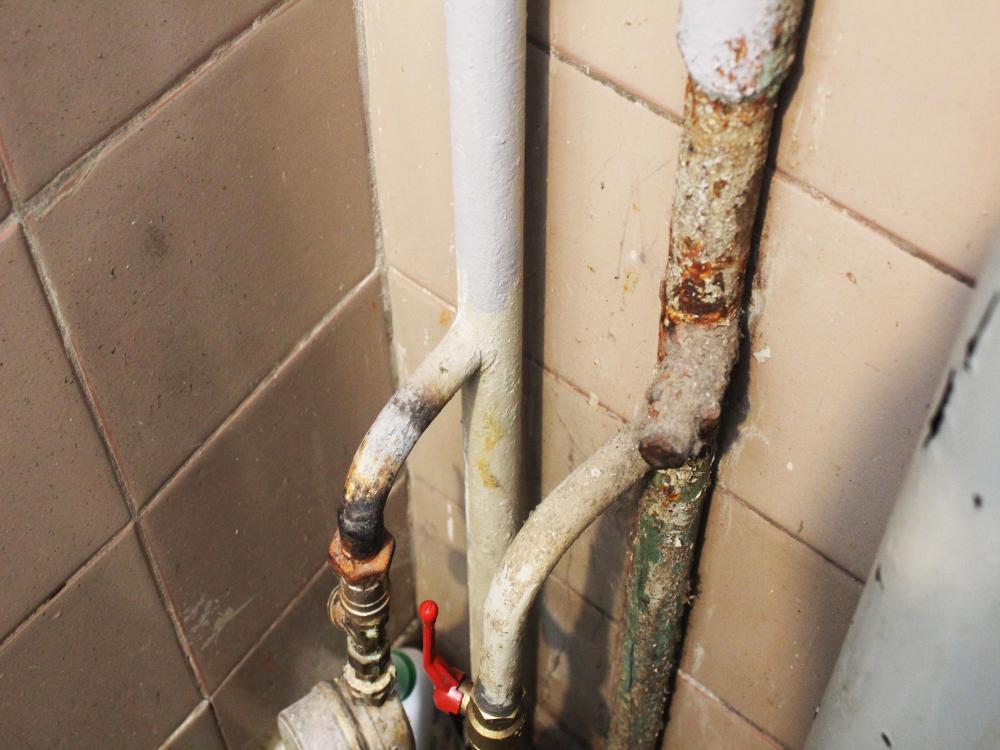
- Visible Corrosion – Corroded pipes often signal internal deterioration that may affect water quality.
What Happens When Pipes Begin to Corrode?
Corrosion develops as older metal pipes react to water and environmental conditions over time. As pipe walls deteriorate, particles can break loose and enter the water supply. Pipe corrosion water issues may lead to discoloration, reduced water flow, and increased wear throughout the plumbing system. Corrosion can also weaken structural integrity, increasing the likelihood of leaks and future pipe failures.
Older Pipe Materials Can Present Unique Challenges
Different types of plumbing materials wear out in different ways. For instance, galvanized steel pipes are especially prone to internal rust and the accumulation of minerals as they get older. In some older plumbing systems the flow of water may become restricted, while in others corrosion occurs which impacts the way water looks and how well it performs. Knowing what materials are used in your house will enable you to decide if further inspection or an upgraded filtration system might be advisable.
Schedule an Aging Pipe Inspection Now!
The problems relating to water quality usually go beyond what homeowners are able to see. There are cases in which polluted water pipes can lead to reduced efficiency of appliances, raise maintenance requirements, or cause more general plumbing health problems. Silt and mineral particles can build up within water heaters, dishwashers, washing machines, and plumbing fittings. As a result, concerns about contamination of the water pipes may have an impact on both the performance and the general reliability of the systems. Schedule an appointment to have your plumbing system inspected now.
FAQs About Pipe Age and Water Quality
Can Old Pipes Affect the Safety of Drinking Water?
Yes, pipes that are older can lead to sediment, rust, corrosion products, and other contaminants getting into the water supply. The extent of this effect will vary according to the type of pipe material, its condition, and the entire plumbing system. Having a professional inspection carried out can help establish whether outdated pipes are having an effect on the quality of the water.
Why Is My Water Brown or Rusty-Looking?
Brown, yellow, or rust-colored water is generally linked with corrosion within the metal pipes of older buildings or with sediment being disturbed in the plumbing system, and rusty water pipes are a common reason, particularly in older houses that have aging plumbing materials.
How Do I Know if My Home’s Pipes Need to Be Replaced?
Frequent leaks, repeated water discoloration, visible corrosion, a falling water pressure, and the need for constant repairs could be signs that the pipes are deteriorating. It’s possible to find out through a professional assessment whether the repairs will be done or if replacement is the better long-term option.
Will Replacing Old Pipes Improve Water Quality?
In many homes, yes. If you replace severely corroded or deteriorated pipes, your water will almost certainly be cleaner. Expert Plumbing Service offers piping and repiping services to help homeowners keep their systems clean and free from unnecessary sediment.
A burst pipe can turn an ordinary day into a major cleanup project within minutes. Water can spread through walls, flooring, insulation, and personal…
10 Signs of Pipe Corrosion
Pipe corrosion is a common concern that often goes unnoticed—until your floor is soaked. The trick is to recognize the…
Request Your Expert Plumbing Service Today
