Why Slow-Draining Sinks and Showers Shouldn’t Be Ignored
A drain that’s taking a little longer to empty might not seem like a big deal at first. Many homeowners put up with standing water in a sink or shower for weeks before taking action. Expert Plumbing Service warns homeowners against ignoring slow-draining sinks and showers in DuPage County, Will County, Kendall County, and Kane County, IL. In many cases, what starts as a minor inconvenience can point to a developing plumbing problem that only becomes more expensive and disruptive over time.
What’s Slowing Your Drains Down?
Most drain problems develop gradually rather than appearing overnight. Hair, soap residue, grease, food particles, mineral buildup, and other debris can collect inside drain lines and restrict water flow. A slow-draining sink may simply have a localized clog near the fixture, while other drainage problems homeowners experience can trace back to issues deeper within the plumbing system. Identifying the source early helps prevent more serious complications.
Small Drain Problems Can Signal Bigger Plumbing Issues
Slow drains generally do not get better by themselves and water which drains slowly at the present time might eventually stop draining completely. Early indications of a clogged pipe often show up a long time before a full blockage develops, such as frequent clogs, bad smells, gurgling noises, and water backing up suddenly. If homeowners take notice of these warning signs they can prevent more serious plumbing problems.
What Can Happen If You Ignore a Slow Drain?
A sluggish drain often indicates that something is restricting water flow. Leaving the issue unresolved allows buildup to grow over time, increasing strain on the drainage system. Watch for these common signs that a minor drain problem may be becoming more serious:
- Recurring Clogs – Frequent blockages often indicate a larger obstruction deeper within the drain line.
- Standing Water – Water remaining in sinks, tubs, or showers might point to restricted drainage that needs attention.
- Unpleasant Odors – Organic buildup inside pipes can create lingering smells that spread throughout the home.
- Gurgling Noises – Strange sounds are often caused by trapped air caused by developing blockages.
- Multiple Slow Drains – When many different areas begin to drain slowly or appear clogged, you’re looking at one of the biggest drain backup warning signs.
- Water Backups – Drainage that begins flowing in the wrong direction should never be ignored.
A Few Simple Maintenance Habits Can Help
Homeowners can often clear a small buildup before it turns into a serious blockage. It’s possible to help prevent problems with drains by using drain screens, getting rid of grease in the right way, and, from time to time, running hot water through the drains. Although simple maintenance may be of some help, persistent clogs or slow drainage generally show that there is an issue which needs a more thorough examination than drain cleaning can offer.
Schedule a Drain Cleaning Appointment Now!
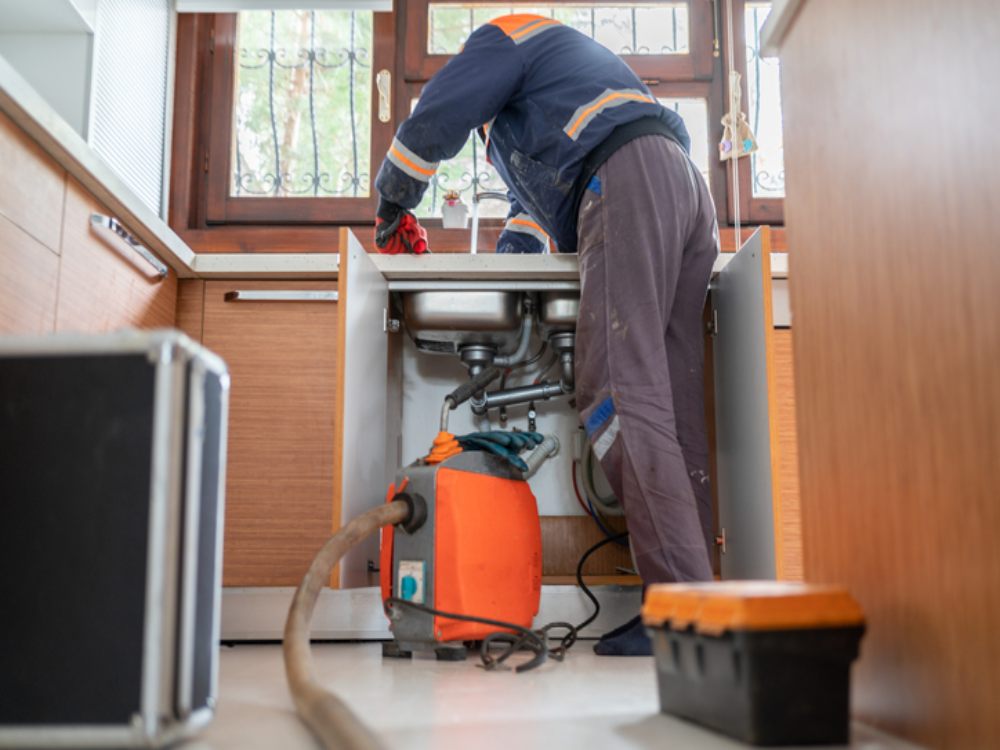
Although store-bought drain cleaners might temporarily improve the flow without getting rid of the main obstruction, professional drain cleaning focuses on the cause of the blockage and aids in restoring proper drainage across the entire system. At Expert Plumbing Service we apply reliable techniques in order to detect any restrictions, clear the drain lines, and offer solutions that are suitable for your home’s plumbing requirements. Schedule a drain cleaning appointment today.
FAQs About Slow Drains
Are Slow Drains a Sign of Sewer Line Problems?
At times, a single slow drain could point to a local clog, whereas several slow drains around the house might indicate a more widespread problem with the sewer line or the main drainage system. A professional inspection should be carried out to find the cause.
Can Drain Cleaners Damage Pipes?
Certain chemical drain cleaners can be severe on some plumbing materials, particularly when used over and over again. Although they might offer only temporary relief, they usually do not clear up the blockage completely and can lead to the gradual deterioration of the pipes.
When Should I Call a Plumber for a Slow Drain?
It’s wise to reach out to a plumber at Expert Plumbing Service if a drain continues to drain slowly after some basic cleaning, keeps clogging repeatedly, gives off unpleasant smells, or has an effect on several fixtures. Such conditions generally show that there is a more serious issue which won’t go away by itself.
How Can I Prevent Recurring Drain Clogs?
Carrying out regular maintenance, disposing of waste properly, using drain screens, and quickly dealing with slow drainage can all help to reduce future blockages. Also, having professional drain cleaning carried out can remove any buildup before it turns into a major blockage.
Request Your Expert Plumbing Service Today
