Common Burst Pipe Causes and How to Prevent Them
A burst pipe can turn an ordinary day into a major cleanup project within minutes. Water can spread through walls, flooring, insulation, and personal belongings before homeowners even realize what’s happening. Read Expert Plumbing’s guide to the most common burst pipe causes in DuPage County, Will County, Kendall County, and Kane County, IL. Understanding why pipes fail can help you take action early and reduce the chance of costly water damage.
Why a Burst Pipe Requires Immediate Attention
Few plumbing problems create damage as quickly as a ruptured water line. Once a pipe breaks, water continues flowing until someone shuts off the supply. Even a relatively small leak can damage drywall, flooring, cabinets, and stored belongings. Beyond the cleanup costs, plumbing pipe failure can also create lingering moisture issues that become more difficult and expensive to address if left untreated.
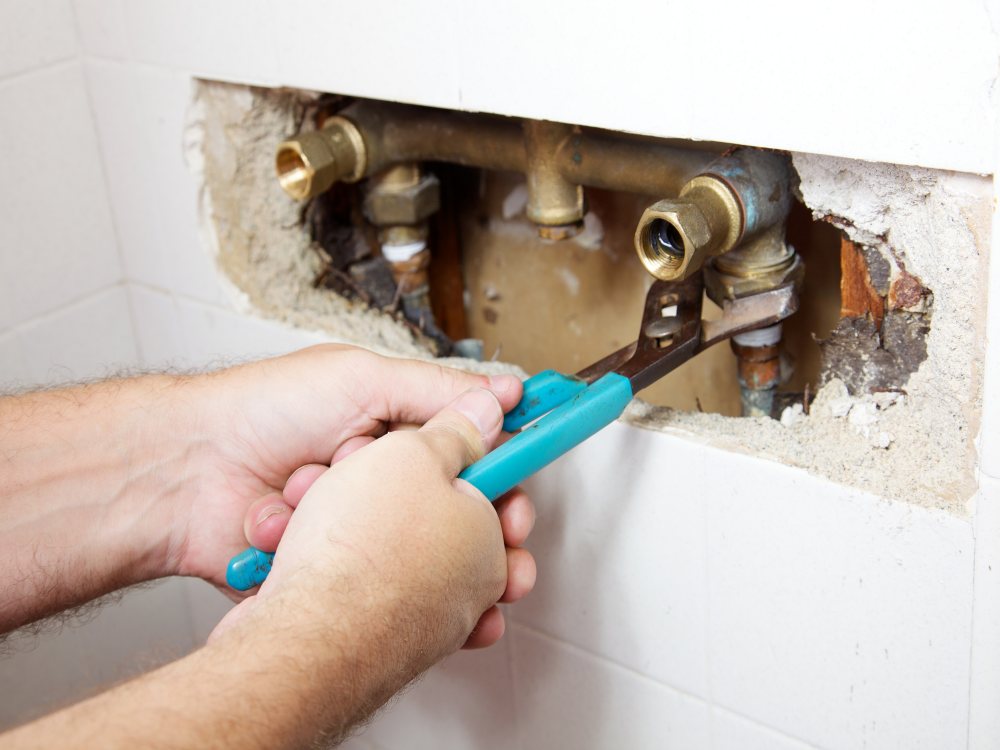
How Freezing Temperatures Lead to Pipe Damage
Winter weather is one of the main causes of burst pipes in areas with cold climates. When water freezes, it expands within the pipe, and this causes the internal pressure to rise. The pipe usually does not break at the point where the ice forms. Instead, the pressure continues to build up until it overcomes a weaker part of the pipe. Damage to frozen pipes occurs most often in attics, crawl spaces, garages, exterior walls, and other poorly insulated areas where temperatures drop rapidly.
Several Unexpected Problems Can Trigger Pipe Failures
Although frozen pipes and corrosion usually receive the most attention, other factors can also be involved. Hidden problems tend to develop slowly before eventually leading to serious damage. Homeowners should remain vigilant about these possible risks:
- Shifting Foundation Movement – Structural movement can place stress on plumbing lines and weaken pipe connections.
- Poor Installation Practices – Improperly secured or connected pipes may fail earlier than expected.
- Tree Root Intrusion – Roots can interfere with underground pipes and contribute to cracks or breaks.
- Clog-Related Pressure Buildup – Severe blockages may increase internal pressure and strain portions of the plumbing system.
- Repeated Temperature Changes – Constant expansion and contraction can gradually weaken certain pipe materials.
- Accidental Physical Impact – Remodeling activities or heavy objects can damage pipes hidden behind walls or beneath floors.
Practical Steps to Help Prevent Burst Pipes
Prevention is generally cheaper than repairing water damage after a failure. By performing regular maintenance and making the right repairs, you can seriously reduce the risk of major plumbing emergencies. Some steps you can take include:
- Insulate Vulnerable Pipes – Proper insulation helps protect exposed plumbing from freezing temperatures.
- Address Small Leaks Quickly – Minor leaks often signal larger issues that deserve professional attention.
- Schedule Routine Inspections – Professional evaluations can identify developing concerns before they become emergencies.
- Maintain Consistent Indoor Temperatures – Stable heating reduces the chance of frozen pipes during cold weather.
- Upgrade Aging Plumbing When Necessary – Replacing deteriorating materials is an important part of effective pipe burst prevention protocol.
Schedule a Pipe Inspection Today
Compromised pipes do not always show obvious warning signs before they fail. Schedule a professional pipe inspection with Expert Plumbing Service to identify corrosion, weak connections, pressure problems, and other developing concerns before a pipe bursts. Taking action now can help protect your home from disruptive water damage and costly emergency repairs.
FAQs About Burst Problems
What Should I Do If a Pipe Bursts in My Home?
Start by turning off the main water supply to your home so that more water does not enter the damaged pipe. Then, if it’s safe to do so, move your valuables away from the affected areas and contact a qualified plumber as soon as possible. Taking quick action can help minimize the damage caused by water and lower repair costs.
How Can I Prevent Frozen Pipes During Winter?
It’s important to maintain steady indoor temperatures, insulate any pipes that are exposed, seal the air leaks close to the plumbing, and let a small quantity of water flow during severe cold if it’s advised.
Does High Water Pressure Increase the Risk of Burst Pipes?
Yes, when there is too much pressure, it places continuous strain on the various parts of the plumbing and can cause the pipes to weaken over time. Since problems with pipe pressure issues may not be easy to spot for the average homeowner, it’s helpful to have regular inspections to ensure the system’s long-term performance.
How Do I Know If My Pipes Need Replacement?
Repeated leaks, corrosion, discolored water, a falling water pressure, and the need for frequent repairs all indicate that the plumbing materials in question are approaching the end of their useful life. A professional plumbing inspection should be carried out to assess the condition of your system and to decide whether repairs or replacement would be the better option.
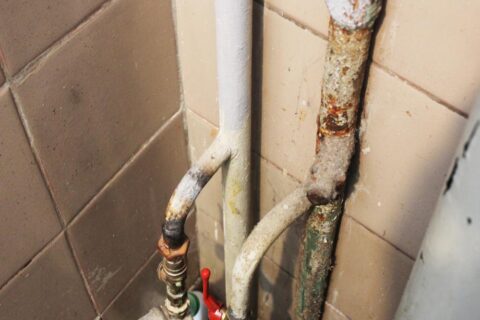
The water coming from your faucet may look clean, but the condition of the pipes carrying it plays a significant role in overall water quality.…
10 Signs of Pipe Corrosion
Pipe corrosion is a common concern that often goes unnoticed—until your floor is soaked. The trick is to recognize the…
Request Your Expert Plumbing Service Today
